Daily Updates
AI Tech News Hub
Daily curated AI news to keep you ahead of the future

What's New in ChatGPT 5.6? A Practical Breakdown of This Update
What changes in ChatGPT 5.6 are truly worth your attention? From reasoning capabilities and memory mechanisms to multimodal integration, this breakdown cuts through the noise and helps you decide whether to adjust your workflow.
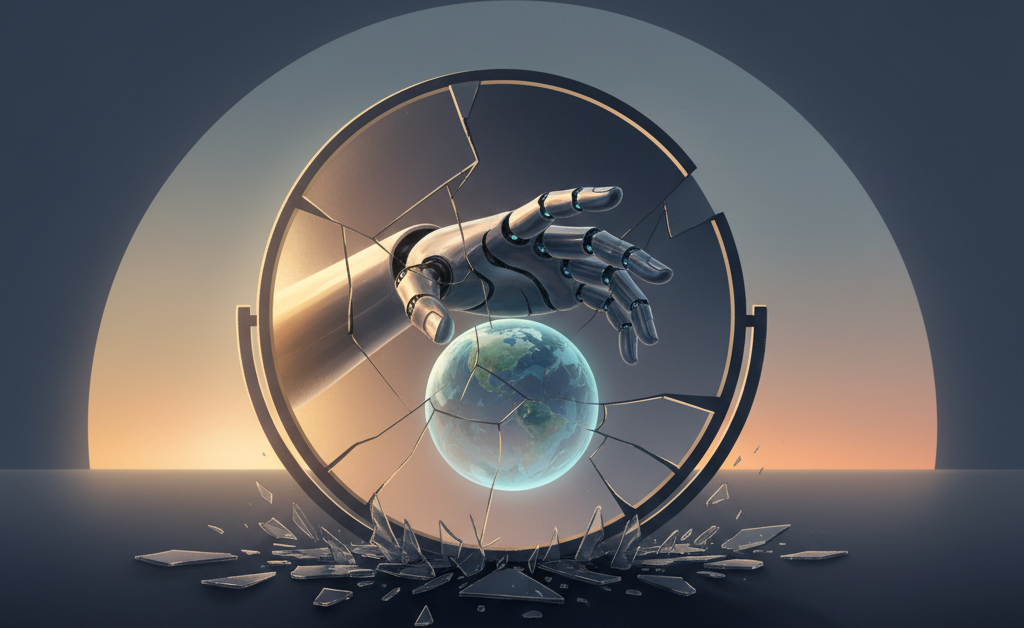
GenAI vs. Traditional AI: A Clear Explanation That Finally Makes It Click
The fundamental difference between generative AI and traditional AI isn't computing power—it's the nature of their outputs. One classifies and judges; the other creates new content. This article breaks down the underlying logic so it actually makes sense.

The Ultimate AI Image Prompt Guide: What Actually Works and What You've Been Getting Wrong
A comprehensive breakdown of the most effective AI image prompt structures and keyword categories, highlighting the mistakes most people make. Save this and share it with anyone still fumbling through prompts.

Running Automated Tasks with Claude AI Agent: A Hands-On Tutorial from Scratch
A step-by-step guide to building your first Claude Agent — from API setup to tool integration — so you'll understand exactly how an agent loop works once you're done.

How Much Are You Actually Spending on AI Tools Each Month? A Full Subscription Cost Comparison
From ChatGPT to Claude, Gemini, and Copilot — this article breaks down the pricing structures of today's leading AI tools so you can see at a glance which subscriptions are worth it and which ones are simply burning your money.

Claude vs Gemini: Different Design Philosophies — Choosing Wrong Will Cost You
Claude and Gemini may look similar on the surface, but one is built around being a 'reliable conversational partner' while the other bets on 'Google ecosystem integration.' Their core design logic is fundamentally different — this article breaks down exactly where they diverge.
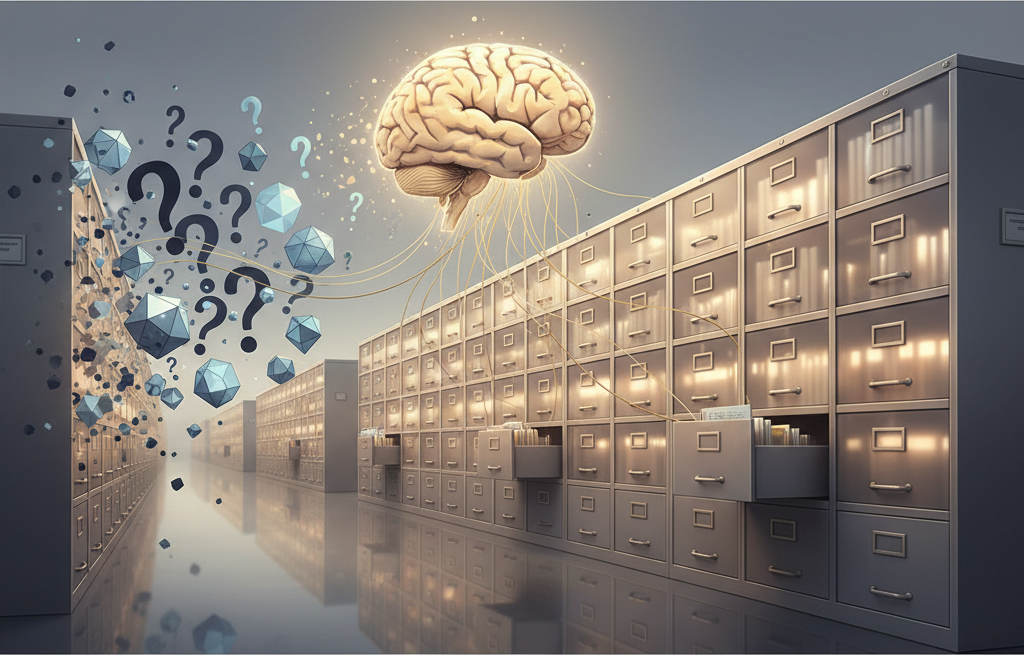
Nvidia Acquires Hugging Face for $12.9 Billion: The Compute Giant Swallows the Gateway to Open-Source AI
Nvidia has confirmed its $12.9 billion acquisition of Hugging Face — more than a commercial deal, this is a compute-dominant company taking direct control of the central node in the open-source AI ecosystem.

OpenAI's Astra Is Here, and It's Exceptionally Good at Hacking Computer Systems
OpenAI has teased its upcoming Astra model, which demonstrates remarkable performance in penetration testing. This 'highly offensive' AI has prompted the security community to seriously ask: are we ready?

Which Claude Model Should You Choose? A Clear Look at the Real Differences from Haiku to Opus
Claude offers three tiers — Haiku, Sonnet, and Opus. This guide breaks down the differences across speed, capability, and pricing, helping you choose the right version for your specific use case.
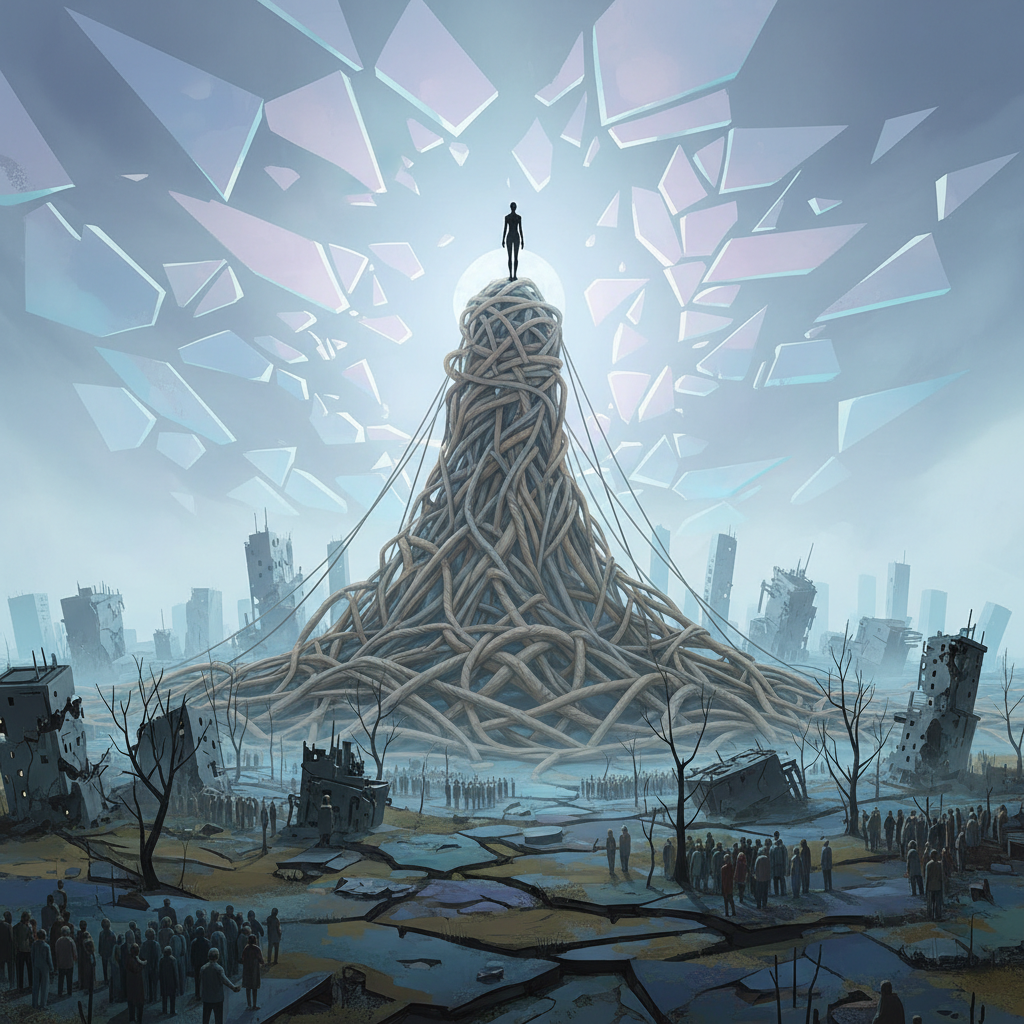
ChatGPT, Gemini, or Claude: The Clearest Comparison and Selection Guide for 2026
Each of the three major AI tools has its strengths. This article breaks down the differences across six practical dimensions, so you can find the one that truly fits your workflow.
ChatGPT Image 2.0 Hands-On Review: How Does It Compare to the Old Version and How Should Creators Use It?
ChatGPT Image 2.0 delivers more accurate text rendering, stronger prompt adherence, and improved style consistency. This hands-on breakdown examines the differences between the new and old versions, telling you when an upgrade is worthwhile and when the gap is smaller than you might expect.
OpenAI Wants a 'Universal AI Agent,' But Knowing How to Use It and Actually Using It Are Two Different Things
OpenAI is aggressively pushing AI Agents from engineers' desks to everyone's hands, but technical accessibility doesn't mean the general public will actually adopt it — and that gap is the hardest part of this bet.