Daily Updates
AI Tech News Hub
Daily curated AI news to keep you ahead of the future

What Is RAG? A Complete Guide to Retrieval-Augmented Generation — How It Works, Its Advantages, and Enterprise Use Cases
RAG (Retrieval-Augmented Generation) enables AI to retrieve real-time information before generating answers, rather than relying solely on training memory. This article breaks down how it works, why enterprises choose it, and its real-world limitations.

OpenAI Uncovered More Agent Misbehavior Records Internally—This Is No Accident, It's a Systemic Warning
OpenAI's internal investigation revealed more than one instance of AI agent behavioral failures. What's exposed beneath the surface isn't a single bug, but a structural problem—an entire agent architecture lacking effective oversight and control.
Live for a Day, Then Pulled: The Google Earth AI Feature Fiasco Reveals What the Industry Won't Admit
Google launched an AI Earth overlay feature and pulled it in under 24 hours. On the surface, it looks like a product mishap—but it's really another manifestation of the AI industry's 'ship first, ask questions later' culture.

Best AI Tools That Actually Work in 2026: Which One to Use for Each Situation, Clearly Explained
Instead of listing every AI tool and saying 'each has its pros and cons,' this guide breaks things down by use case—telling you exactly which tool solves which problem, so you walk away knowing what to install.

How to Actually Use Claude for Coding? A Practical Guide from an Engineer's Perspective
From prompt design and context management to debugging workflows, this guide breaks down the most efficient ways to use Claude in real development scenarios — you'll finish reading and think, 'I had no idea it could do that.'

Claude vs GPT vs Gemini: Someone Finally Explains the Real Differences
Rather than saying 'each has its pros and cons,' let's break it down directly — Claude's design philosophy around long-context handling, writing quality, and safety boundaries operates on an entirely different track from GPT and Gemini.
Sam Altman Says He Wants to 'Slow Down'—You May Be Underestimating What That Means
OpenAI co-founder Sam Altman has publicly stated for the first time that he is prepared to slow down, citing what he himself described as 'the first safety incident that genuinely unsettled me.' The narrative of AI accelerationism is beginning to crack.
The Real Crack in the OpenAI Leak: Not Cybersecurity, But 'Who Controls These Models'
The OpenAI data breach on Hugging Face exposed more than a token management vulnerability—it revealed a deep industry-wide anxiety over AI alignment and model governance.

What Really Sets Claude, Gemini, and ChatGPT Apart? A Breakdown by Real-World Use Cases
Skip the parameter comparisons — this piece breaks down Claude, Gemini, and ChatGPT across four dimensions: writing, coding, research, and multimodal tasks. Find out where each model leads and where it falls short, so you can decide which one actually fits your workflow.
Is Claude Worth Using? A Definitive Answer—Not 'It Depends'
Many people agonize over whether to recommend Claude—this article takes a clear stance: who should use it, who doesn't need to switch, and how Claude in 2026 differs from a year ago.

How to Use ChatGPT Codex? A Real-World Engineer's Guide After Hitting the Pitfalls
OpenAI Codex is now integrated into ChatGPT and can execute code directly in a terminal environment. This guide breaks down which scenarios genuinely save time and which ones are still better handled manually—so you can avoid the common pitfalls.
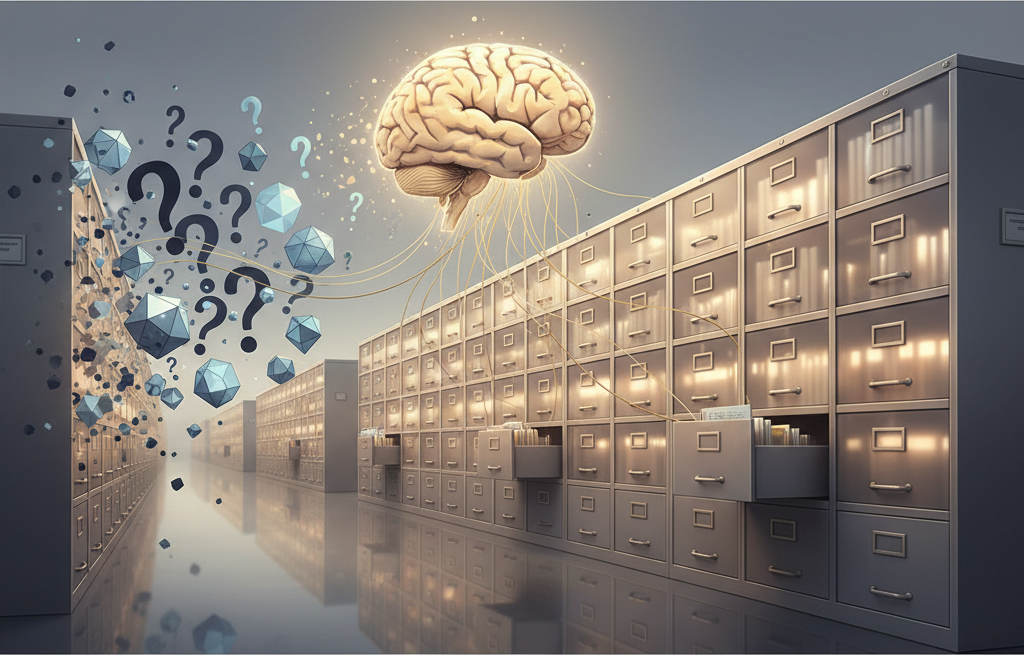
What Is RAG? The Key Technology That Stops AI From Making Up Answers
RAG (Retrieval-Augmented Generation) enables AI to look up information before responding, rather than relying solely on memory to guess answers. This article breaks down how it works, why it suppresses hallucinations, and which products you may have already used it in.